
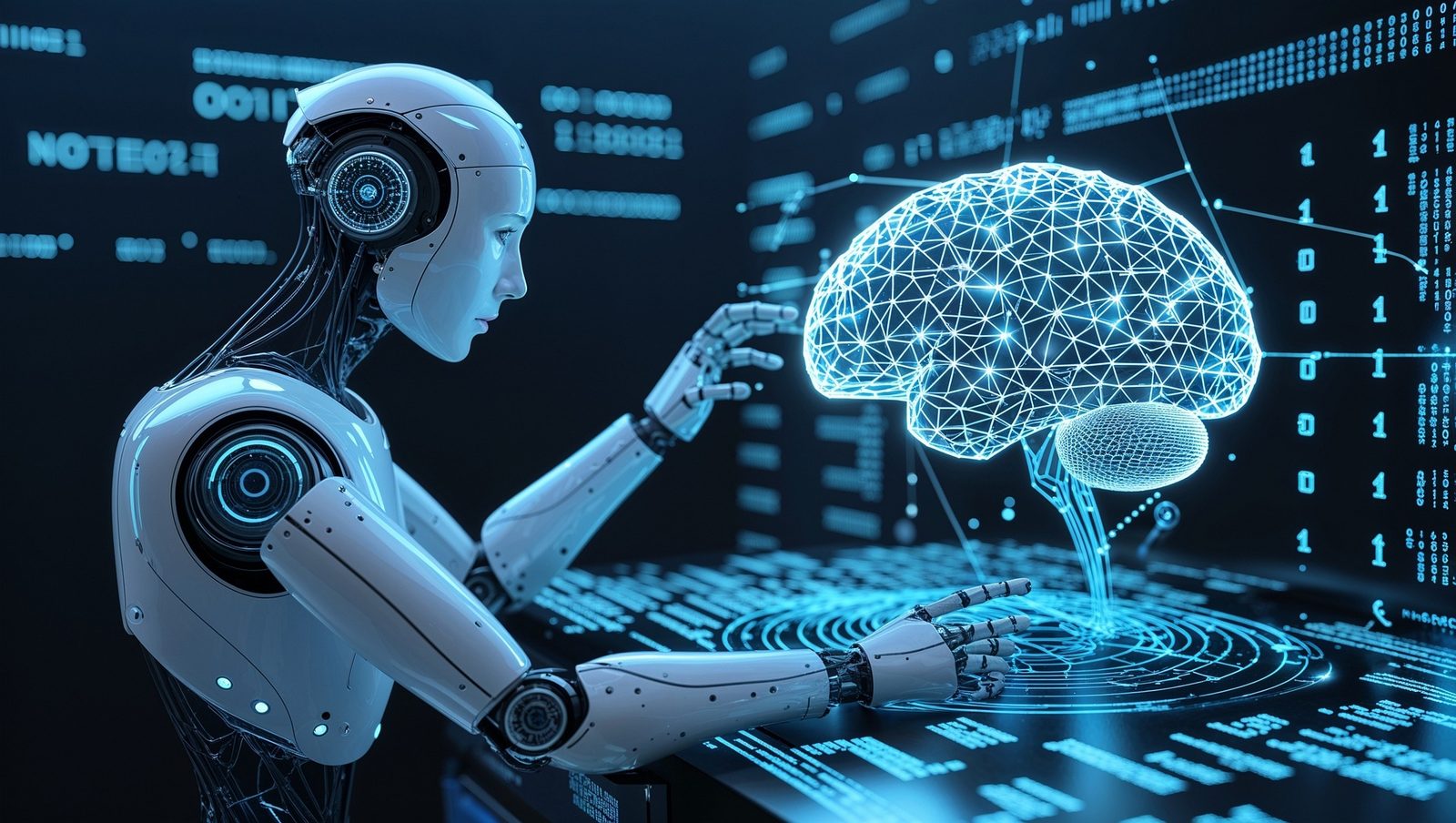
In recent years, artificial intelligence (AI) has become an increasingly popular topic across various fields, including education. Many people have wondered whether AI can truly help improve the quality of learning. The answer is becoming increasingly clear as technology continues to advance and its applications in education expand.

AI has great potential to revolutionize the way we learn and teach. With its ability to analyze large amounts of data and identify patterns, AI can provide deeper insights into students' needs and learning styles. For example, AI-powered adaptive learning systems can adjust learning materials and teaching methods according to each student's learning pace and preferences. This allows the learning process to become more personalized and effective.
In addition, AI can help teachers reduce their administrative workload. For example, AI can automate the grading of assignments and exams, provide immediate feedback to students, and identify areas that need improvement. This allows teachers to focus more on the creative and interactive aspects of teaching, such as providing more in-depth guidance and facilitating engaging classroom discussions.
However, the implementation of AI in education also presents challenges. Concerns include student data privacy, dependence on technology, and the digital divide between students who have access to technology and those who do not. Therefore, it is important to ensure that AI is integrated into education carefully and responsibly.
Overall, AI has the potential to significantly improve the quality of learning. By addressing existing challenges and making the most of this technology, we can create a more inclusive, efficient, and effective learning environment. So, the answer is yes: AI can indeed help improve the quality of learning, as long as it is used wisely and ethically.